Chapter I
Signal
The Birth of Computer Art
The digital image did not begin as a file but as a signal. Oscilloscopes, analogue computers and cathode-ray tubes before anything resembling a screen.
 Catalogue
Digital Masterpieces · Art Basel Zero 10 · June 2026
Seventy years of digital art, argued in seven chapters. A canonical selection — explicitly not a comprehensive one — presented by ArtMeta at Art Basel.
Each entry links to the published article.
The platform
ArtMeta is a curatorial platform for digital art, contributing to its historical, critical and cultural contextualization through exhibitions, conferences, publications and institutional collaborations.
Digital Masterpieces: From Code to Canon brings together works spanning seventy years of digital art history. A selection is on view at Art Basel in June 2026. The catalogue extends that presentation with additional works and an accompanying essay. Together they form a single argument, structured in seven chapters.
The exhibition’s premise is that the evolution of technology and the history of digital art are inseparable. Bell Laboratories, the Technische Hochschule Stuttgart, NYIT, Xerox PARC, MIT, and later Google and NVIDIA are not merely backdrop to this history — they are among its protagonists.
On view at

Seven chapters
From the earliest experiments with electronic signals and algorithmic graphics to contemporary AI and blockchain-based practices, the chapters follow the evolution of digital art alongside the technological infrastructures from which it emerged.
Chapter I
The Birth of Computer Art
The digital image did not begin as a file but as a signal. Oscilloscopes, analogue computers and cathode-ray tubes before anything resembling a screen.
Chapter II
Mainframes, Programs, and the Logic of Rules
Artists hand the decision to the machine and keep the authorship. Frieder Nake, Vera Molnár, Manfred Mohr, Georg Nees — rules as material.
Chapter III
Screens, Synthetic Worlds, and Digital Image Culture
Computation acquires colour, surface and depth. The image stops proving it can exist and starts arguing about what it should look like.
Chapter IV
From Connected Machines to Networked Art
net.art treats the protocol itself as the medium: browsers, servers and the social conventions of the early web, used against themselves.
Chapter V
The Rebirth of Code
Processing, plotters and long-form on-chain output. The Algorists’ proposition returns with a market and an audience attached.
Chapter VI
Machine Learning, Agency and the Question of Authorship
DeepDream, Neural Style Transfer, AlignDRAW, GANs — the prehistory of every AI-generated image made today, and the authorship problem they leave behind.
Chapter VII
Tokens, Provenance, and Digital Ownership
Ownership becomes legible. Provenance, royalties and community form a canonical weight that no single institution conferred.
The essay
The question has no single answer, but several factors recur across the history presented here. None of them is sufficient alone.
Publicity
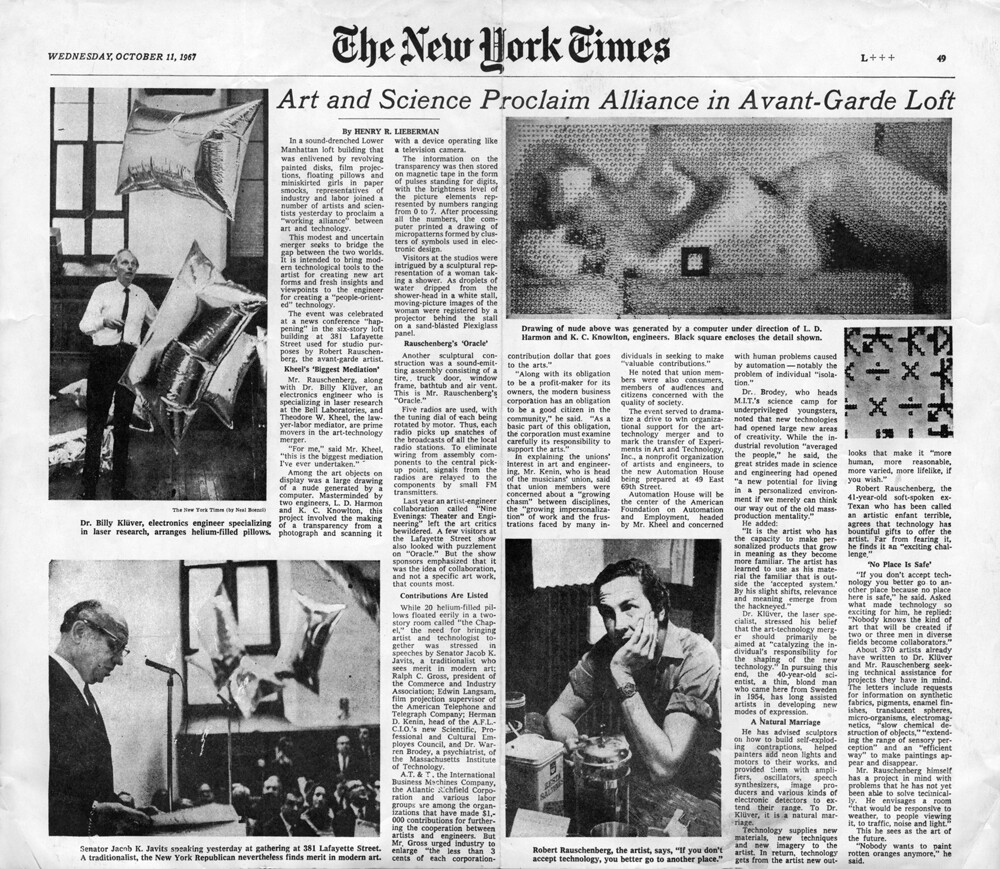
Ken Knowlton and Leon Harmon’s Studies in Perception I achieved its lasting status in part because it appeared in the New York Times in 1967, at a moment when computer-generated imagery still had everything to prove.
Archival page reproduced in the exhibition catalogue.
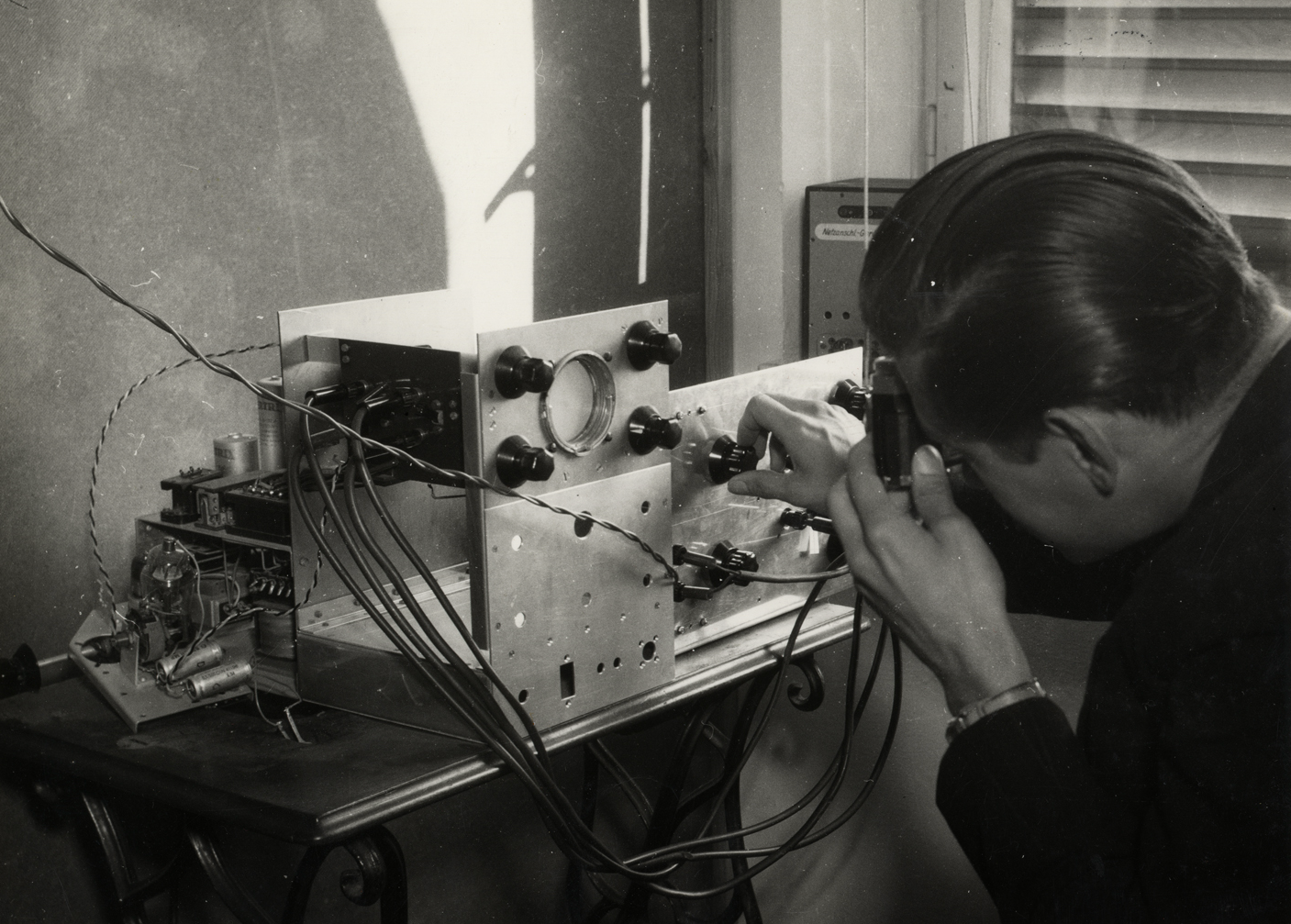
Technical innovation
Herbert W. Franke at an analogue computer, 1954. Innovation shapes a medium irrevocably, whether or not it produces the medium’s best work.
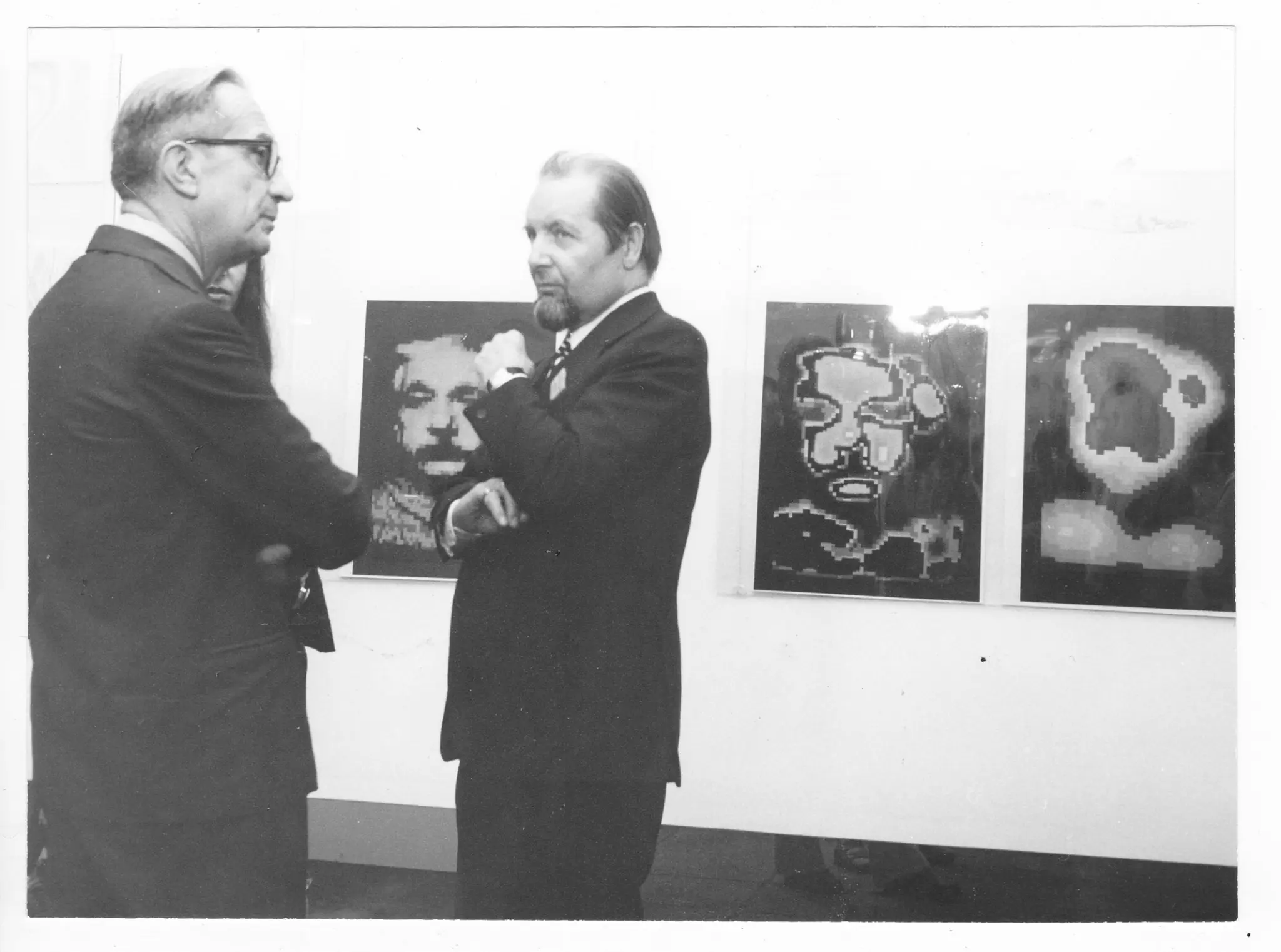
Exhibition history
Nove Tendencije, Zagreb. Exhibition history accumulates into institutional credibility — Frieder Nake’s Hommage à Paul Klee has been continuously present in landmark shows for decades.
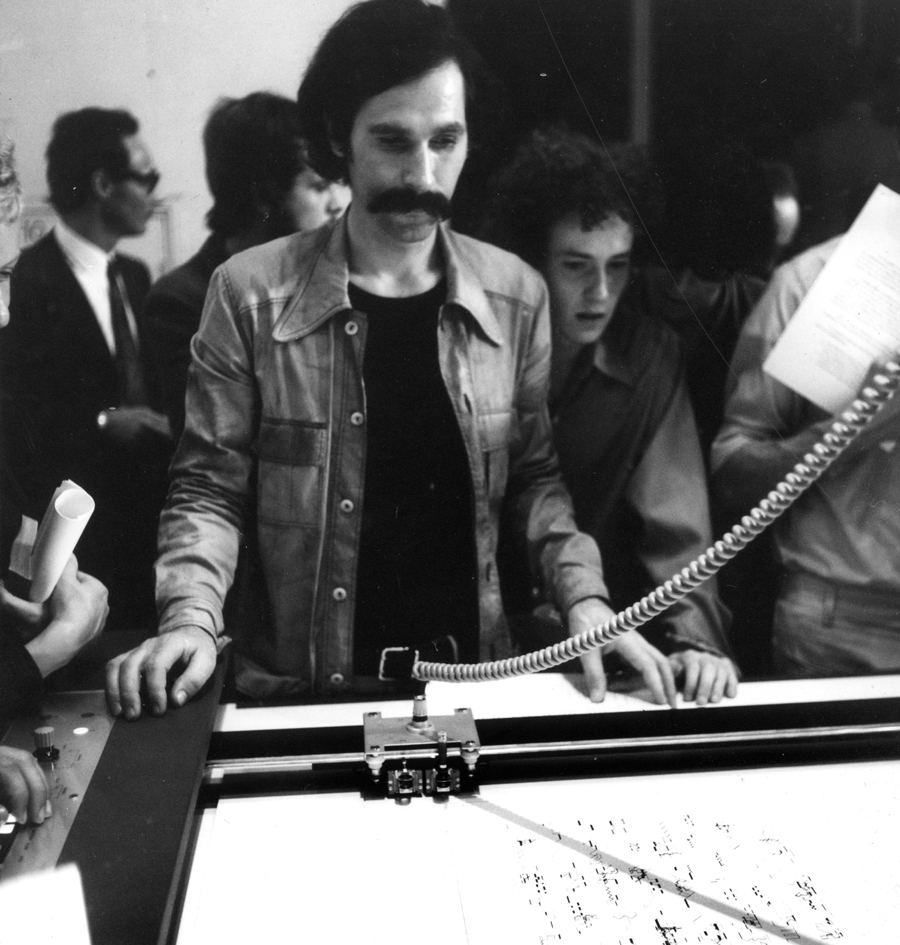
Movements and schools
Generative Photography around Gottfried Jäger, the Algorists around Roman Verostko and Jean-Pierre Hébert, and net.art each produced shared visual languages and exhibition histories that still shape how their moment is read.
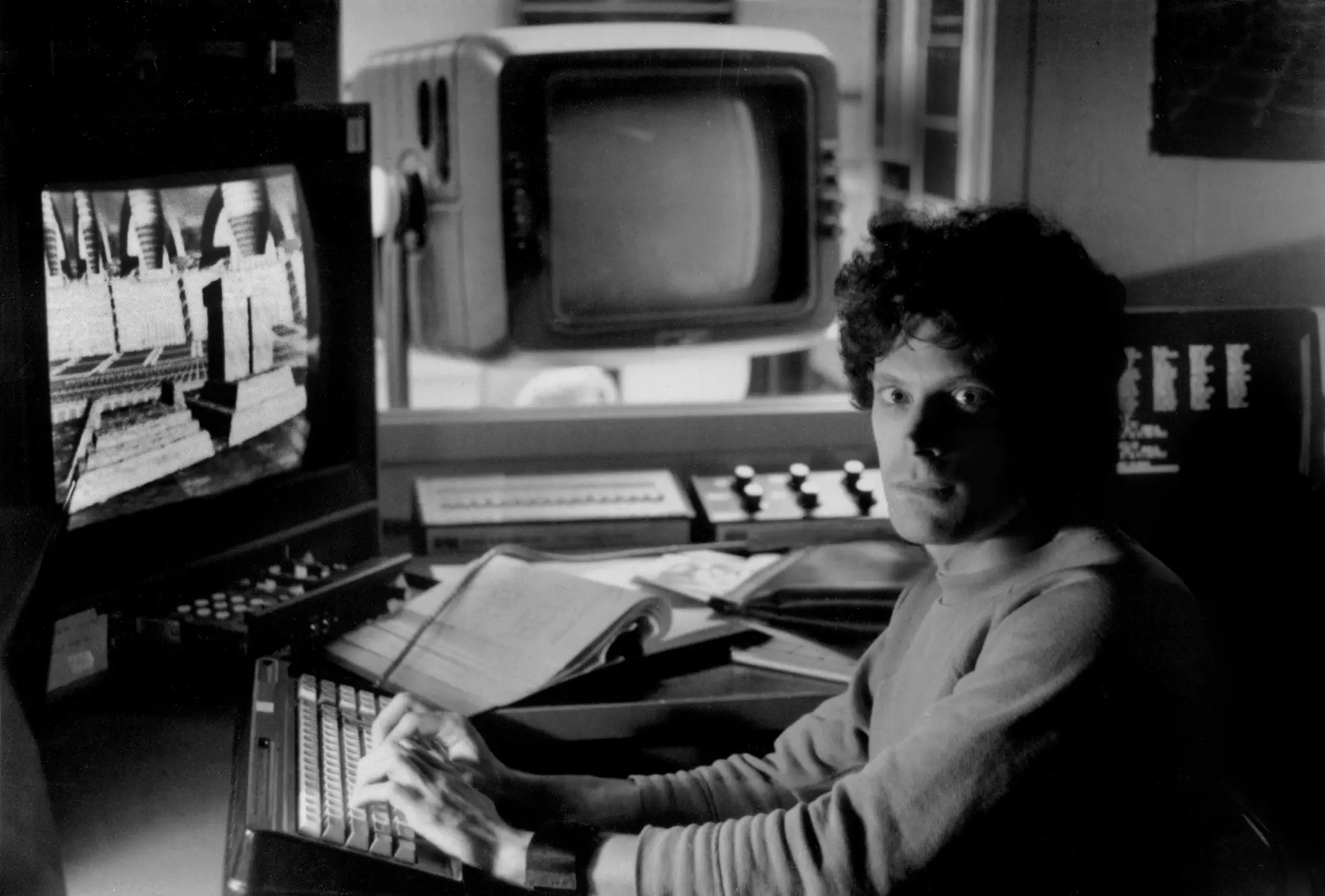
Provenance
David Em at JPL. Works accumulate weight by entering significant collections in ways that attach a history of ownership to the object itself.
“Canonicity is never produced by one factor alone. It emerges when innovation, visibility, provenance, narrative, and historical consequence converge.”
Georg Bak, co-founder, ArtMeta — Right Click Save, 11 June 2026
Conference
15 June 2026 Kult.Kino Camera · Rebgasse 1 · 4058 Basel
A one-day conference uniting artists, curators, and collectors to examine the past, present, and future of digital art — collecting, canon formation, technological change, and cultural infrastructure.
Programme and tickets2026 speakers come from
Institutions listed are the affiliations speakers hold, taken from the published 2026 programme. They are not sponsors or endorsements.
Archive · 2024–2025
The first global fair format dedicated exclusively to digital art. Occupying venues along the historic Rebgasse in Basel during Art Basel week, it brought together galleries, platforms, artists, collectors and institutional voices in a single curated framework — an art fair, exhibitions, and a multi-day conference programme.
Operating from the conviction that digital art required not merely visibility but structure, it established Basel as the annual meeting point for the global digital art community. Two editions ran, in 2024 and 2025.
Full archive — coming soon